Before wellness became an industry filled with expensive retreats, elaborate morning routines and supplements we cannot pronounce, Black women were finding pieces of it in each other’s living rooms.
We gathered around kitchen tables, stretched across somebody’s couch, passed plates, traded stories and laughed loud enough to forget what had been weighing on us. Nobody called it wellness. It was just Tuesday night at your homegirl’s house.
The television shows many millennial Black women grew up watching understood this. On Living Single, Maxine treated Khadijah and Regine’s apartment like it was also listed on her lease. On Girlfriends, Joan’s house was practically a community center with better wine.
Their friendships were not filler between the important plotlines. Friendship was the plot.
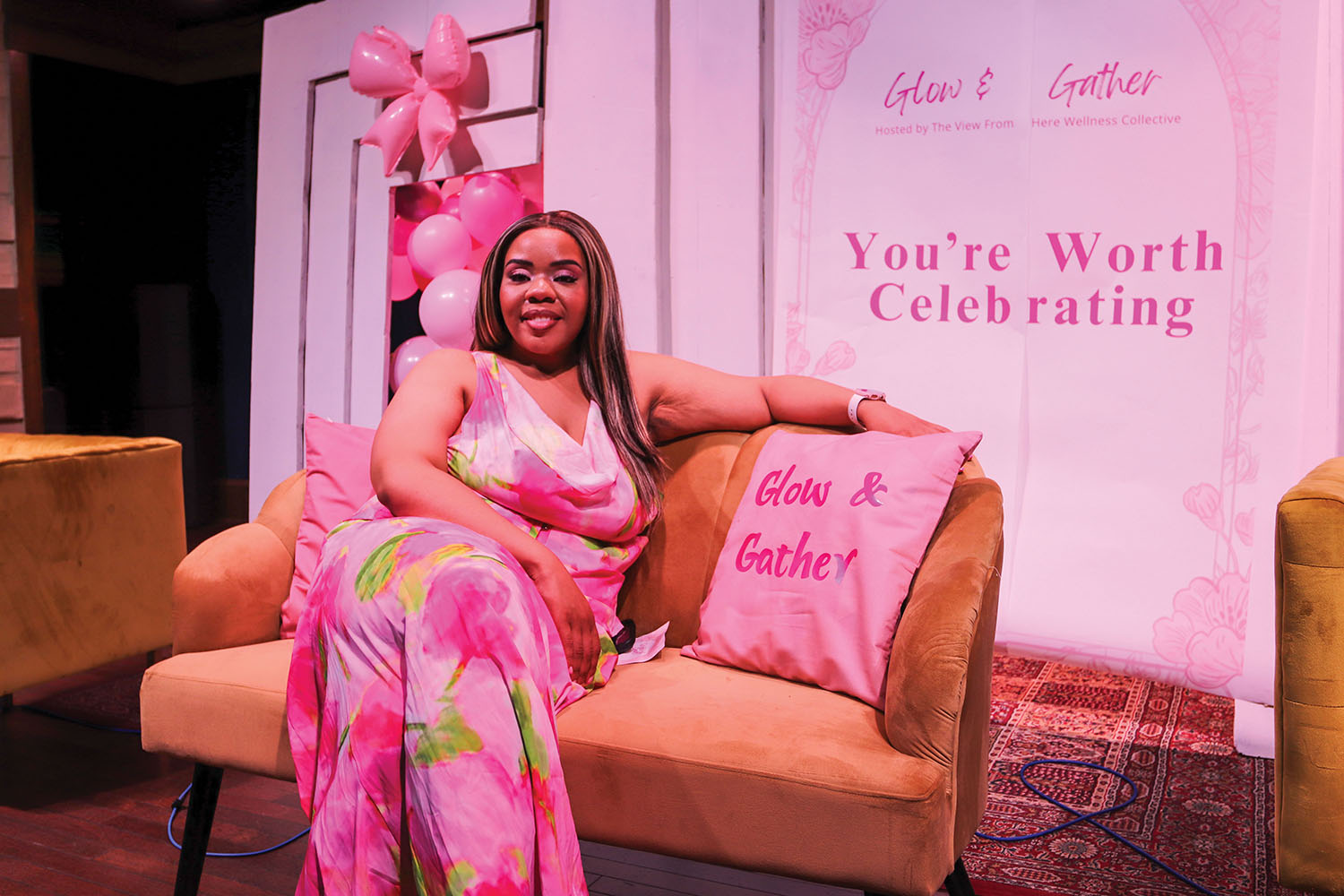
Glow and Gather was created from that same understanding. Sometimes care looks like being welcomed into a beautiful room, handed a plate and reminded that your life is worthy of celebration right now. Not after the promotion. Not after the weight loss. Not once everybody else has been taken care of. Right now.
That belief shaped this year’s theme: You’re Worth Celebrating.
Held Aug. 30 in Madison, Glow and Gather brought people together for a shared meal and a live Black Women Deserve podcast-style panel about being a Black woman in 2026. The room made space for moments when someone says something you thought only you had been carrying.
It felt good. That was intentional. It was also about health.
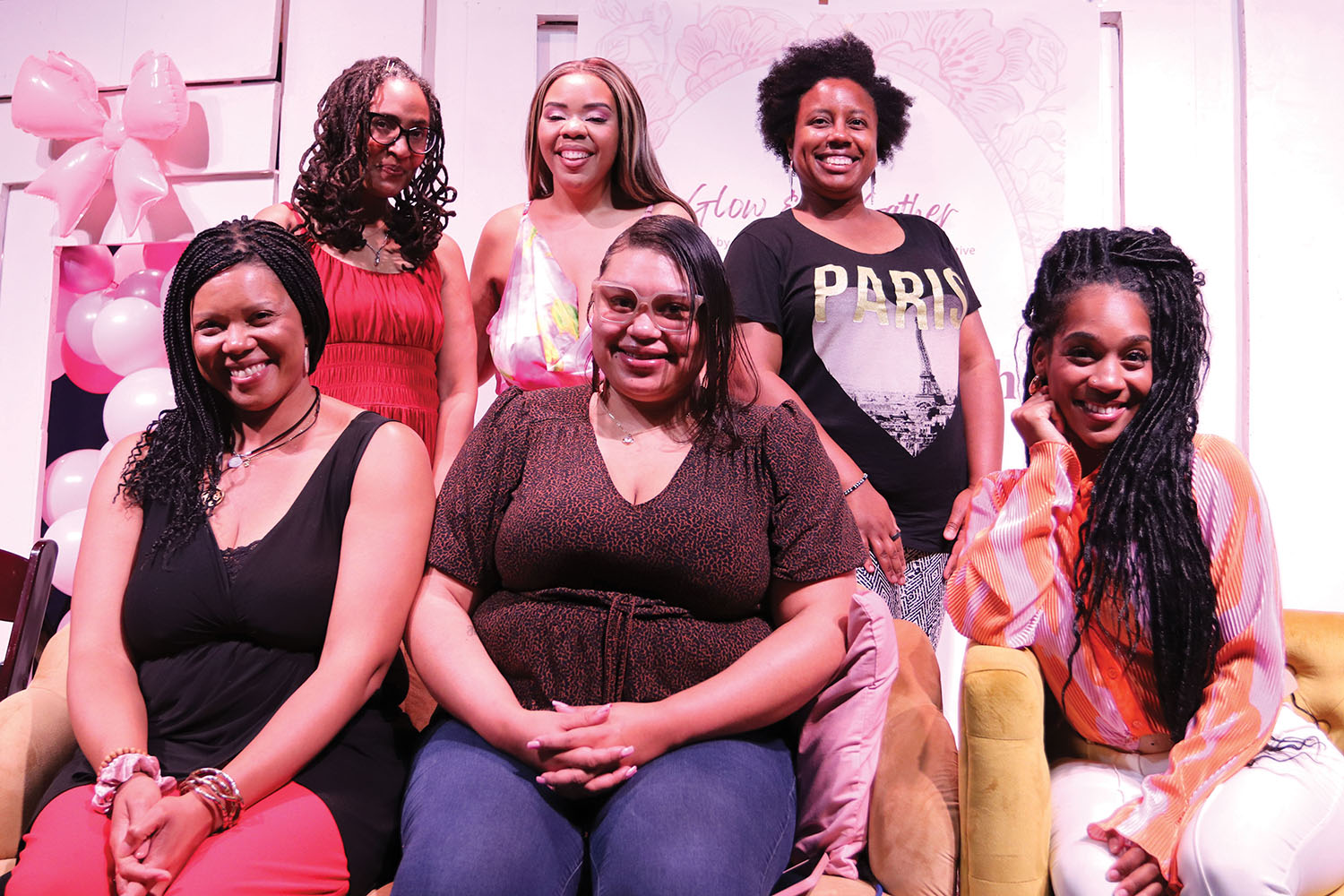
This year’s gathering came as Wisconsin’s new State Health Assessment identified economic well-being, housing, mental health and social and emotional support among the factors affecting residents’ health. In that context, gathering is more than a feel-good idea. It responds to something the state itself has named as part of living well.
We talk often about what makes Black women sick. We know the language of disparities, chronic stress and unequal outcomes. Those conversations are necessary, but I am also interested in what happens between the statistics. Who checks on us before the crisis? Where can we exhale without explaining ourselves?
The answers may sound soft, but the health effects are not. The U.S. Surgeon General reports that poor social relationships, including isolation, limited support and loneliness, are associated with a 29 percent higher risk of heart disease and a 32 percent higher risk of stroke. The same advisory cites research showing that, among Black Americans, greater social support is associated with a 36 percent lower long-term risk of developing high blood pressure.
In other words, community is not merely cute. Friendship is not just brunch, voice notes and sending each other the same Reel at the exact same time. Connection belongs in the health conversation.
That does not mean one joyful afternoon can prevent illness or replace quality medical care. It means our relationships and environments can affect how we manage stress, ask for help and experience belonging. A gathering can be one part of a larger culture of care.
The word celebration matters, too.
Black women are frequently applauded for what we produce, endure or provide for other people. We hear that we are strong when what we may actually need is support. Too often, care arrives only after exhaustion becomes visible.
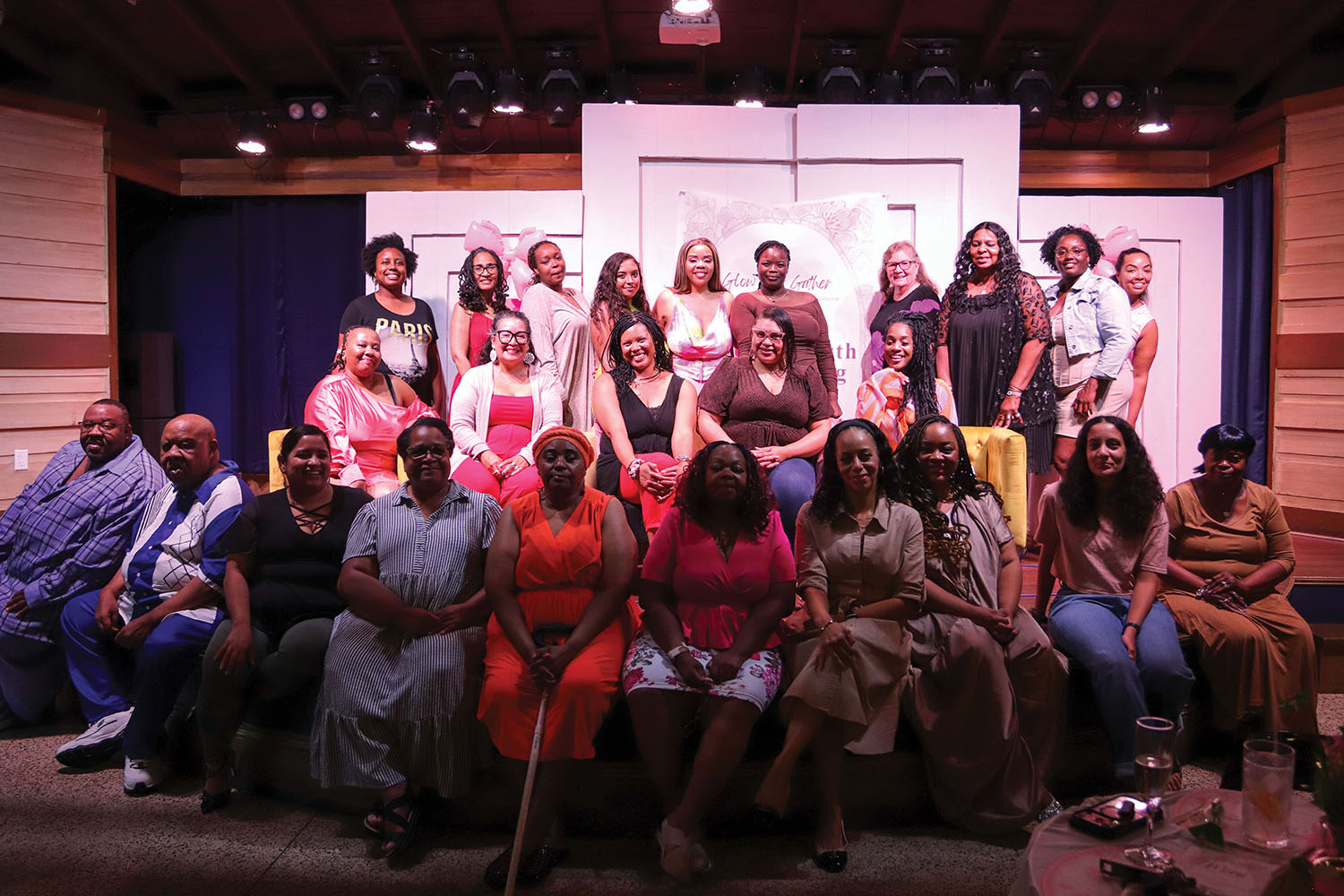
You’re Worth Celebrating interrupts that pattern. It says a Black woman does not have to accomplish something exceptional, be everything to everyone or reach her breaking point before someone pours back into her. Her existence is enough reason to set the table.
Glow and Gather also made sure care moved beyond the room. Guests contributed period products for The River Food Pantry, resulting in more than 1,600 pads and 300 tampons for community members who need them. Period products can look like a small line item until someone is choosing between personal care and another basic need. Access is about health, but it is also about comfort and dignity.
That is the kind of wellness I want to keep building: care that feels joyful without becoming shallow, and celebration that does not stop with the people invited to the party.
Maybe Living Single and Girlfriends understood it all along. The people who help us stay well do not always arrive wearing white coats. Sometimes they arrive with a plate, a story, a seat beside them or a joke that makes us laugh from somewhere deep. Sometimes they remind us that we do not have to perform our way into being loved.
Sometimes wellness looks like a room full of people saying, in a dozen different ways: I see you. I’m glad you’re here. Your life is worth celebrating.