Have you ever been in the middle of a conversation and completely forgotten what you were saying?
Not forgotten a word. Forgotten the whole thought. You are standing there trying to retrace your own sentence, hoping it comes back before somebody asks, “Girl, what were you talking about?”
That brain fog is no joke.
Maybe your sleep has been off too. Your period suddenly has a mind of its own. You are hot when everyone else is comfortable. Your mood feels different, your sex drive has changed, or your body simply does not feel quite like the body you have known for years.
For some women, those changes may be signs of perimenopause.
We spend years teaching girls about puberty and periods. Eventually, conversations may expand to pregnancy, birth control and reproductive health. But somewhere between the first period and the last one, the education gets a little fuzzy.
Perimenopause is the transition leading up to menopause, when hormone production begins to change. It usually begins in the 40s, although changes can begin earlier. Menopause is reached after 12 consecutive months without a menstrual period and occurs around age 51 to 52 on average.
And menopause is about much more than hot flashes.
Changes in estrogen and other hormones can affect sleep, mood, menstrual cycles, vaginal and urinary health, and sexual function. Then there are androgens, a group of hormones that includes testosterone. Despite testosterone’s reputation as a “male hormone,” women produce it too. Androgens contribute to sexual health and maintaining muscle and bone.
How many of us were actually taught that?
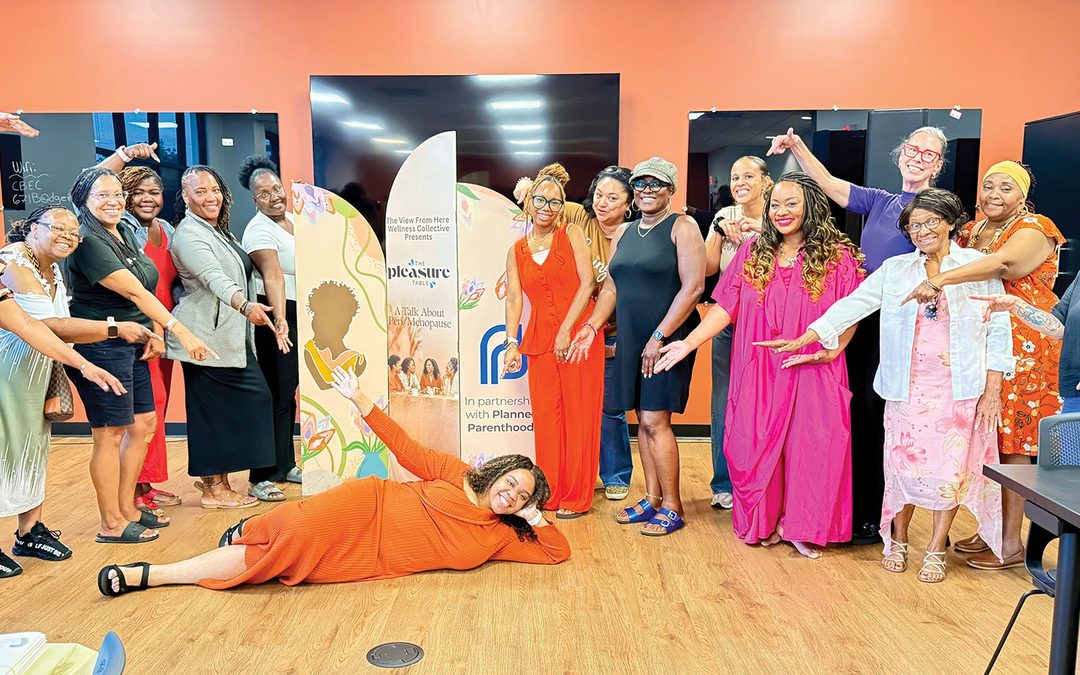
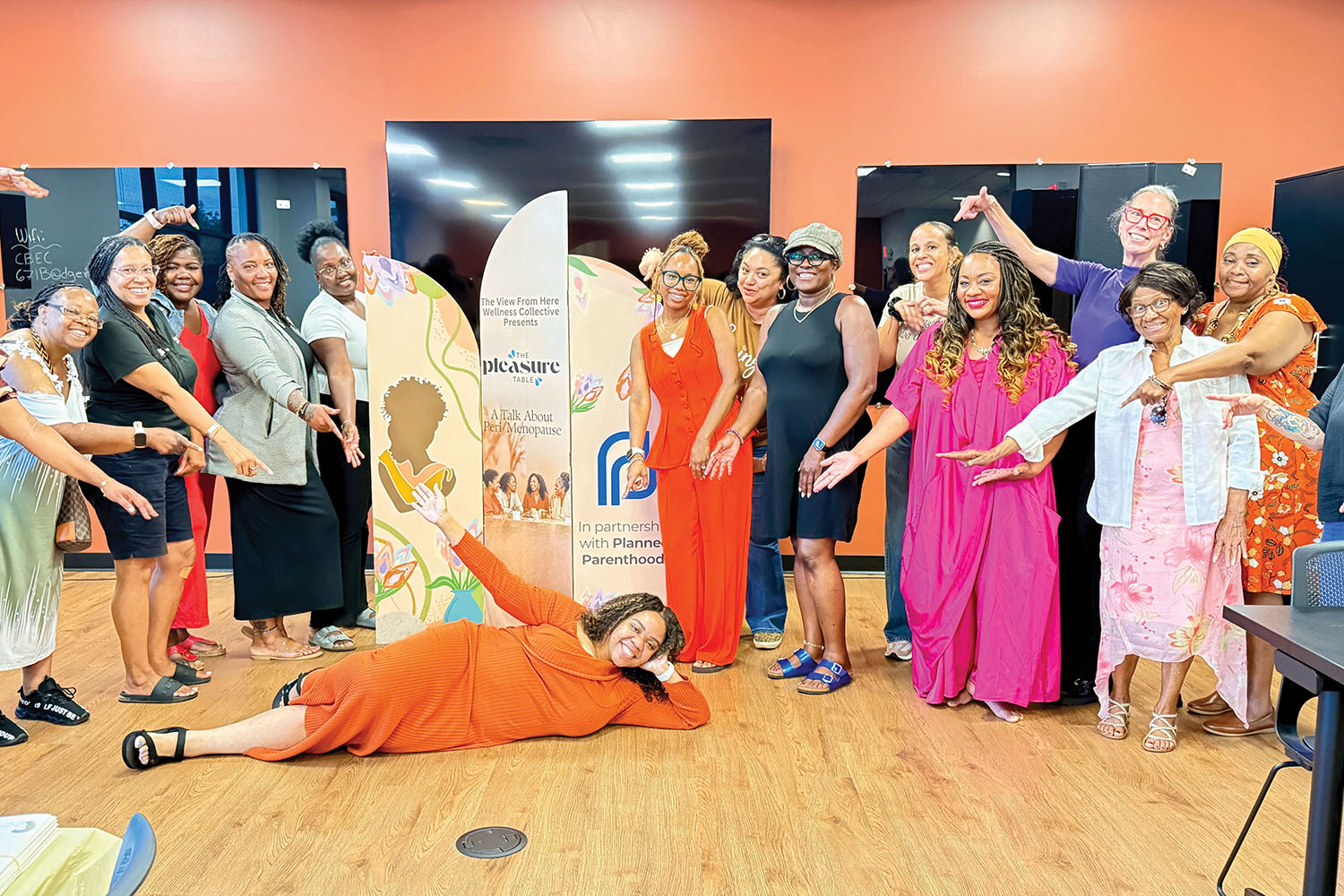
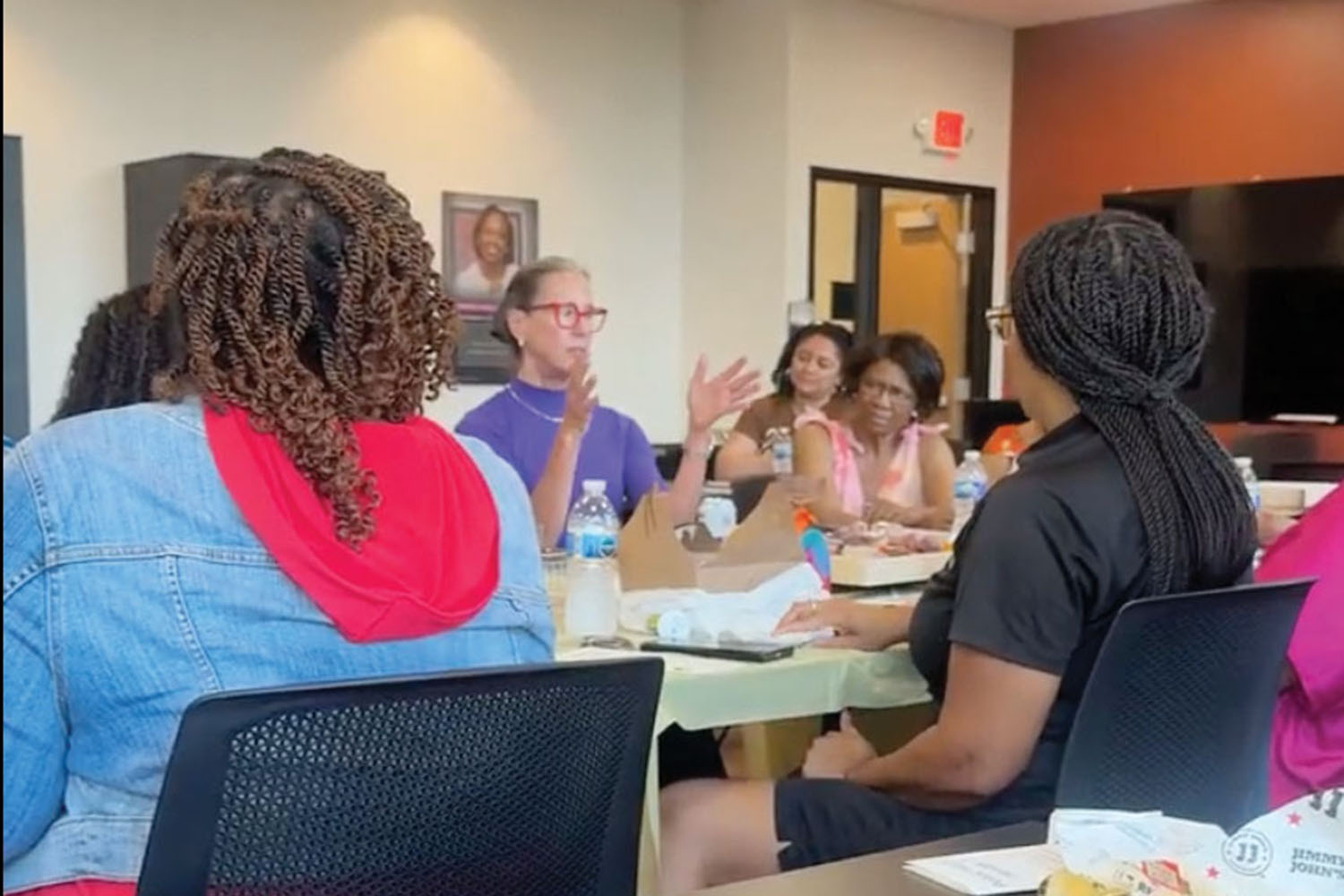
That knowledge gap was part of the conversation at the latest Pleasure Table, hosted by The View From Here Wellness Collective. The gathering brought Black women together to learn about perimenopause, menopause, hormones, sexual wellness and the changes that can happen throughout womanhood.
The conversation brought professional expertise and lived experience to the same table. Speakers included the Associate Medical Director of Planned Parenthood of Wisconsin, who oversees its menopause clinic, and certified sex educator Ellen Barnard of A Woman’s Touch. Qiana Holmes and Felica Turner-Walton joined as lived experience speakers, sharing what navigating these changes has looked and felt like in their own lives.
The View From Here Wellness Collective creates intentional spaces for Black women to explore wellness through conversation, resources and practical tools. Around The Pleasure Table, that meant asking questions women may not always feel comfortable asking elsewhere, from hormones and hot flashes to libido, vaginal health and pelvic floor health.
For Black women, these conversations carry additional significance. The long-running Study of Women’s Health Across the Nation found that among women who experienced frequent hot flashes and night sweats, Black women experienced those symptoms for a median of about 10 years, longer than the other racial and ethnic groups studied.
Understanding our bodies also means talking about things that might not make it into everyday conversation.
Sex. Vaginal dryness. Pain during intercourse. Urinary leakage. And yes, the pelvic floor.
The pelvic floor supports the bladder, uterus and rectum. Pregnancy, childbirth and aging can affect its function, while hormonal changes around menopause can affect surrounding vaginal and urinary tissues. Problems can include bladder leakage, pelvic pressure and painful sex.
These are health conversations, even when they involve sex and pleasure. Talking about sexual wellness without shame gives women language for what they are experiencing.
That is the value of body literacy. You do not have to become an expert on estrogen before breakfast. Sometimes education is simply knowing enough to recognize when something has changed and feeling confident enough to ask why.
Because there is a difference between thinking, Something is wrong with me, and realizing, Something is changing in me.
There is also something powerful about finding out you are not the only one forgetting words, waking up at 3 a.m., wondering where your sex drive went, or asking why nobody mentioned any of this before.
Spaces like The Pleasure Table offer something a Google search cannot always provide. Women can learn the terminology, ask the awkward questions, hear another woman say, “That happened to me too,” and leave with better questions for their health care providers.
Education about our bodies should not end with puberty, pregnancy, or a yearly exam. The information we need should grow and change as we do.
After all, we taught girls that their changing bodies deserved an explanation.
Women deserve one, too.