We have all been impacted by illness. Whether experienced personally or through the health challenges of a loved one, we all know the hardships illness can bring to our families and communities. Participation in clinical trials is a meaningful way to help find more effective treatments for a range of diseases, including Alzheimer’s, cancer, diabetes, heart disease and more.
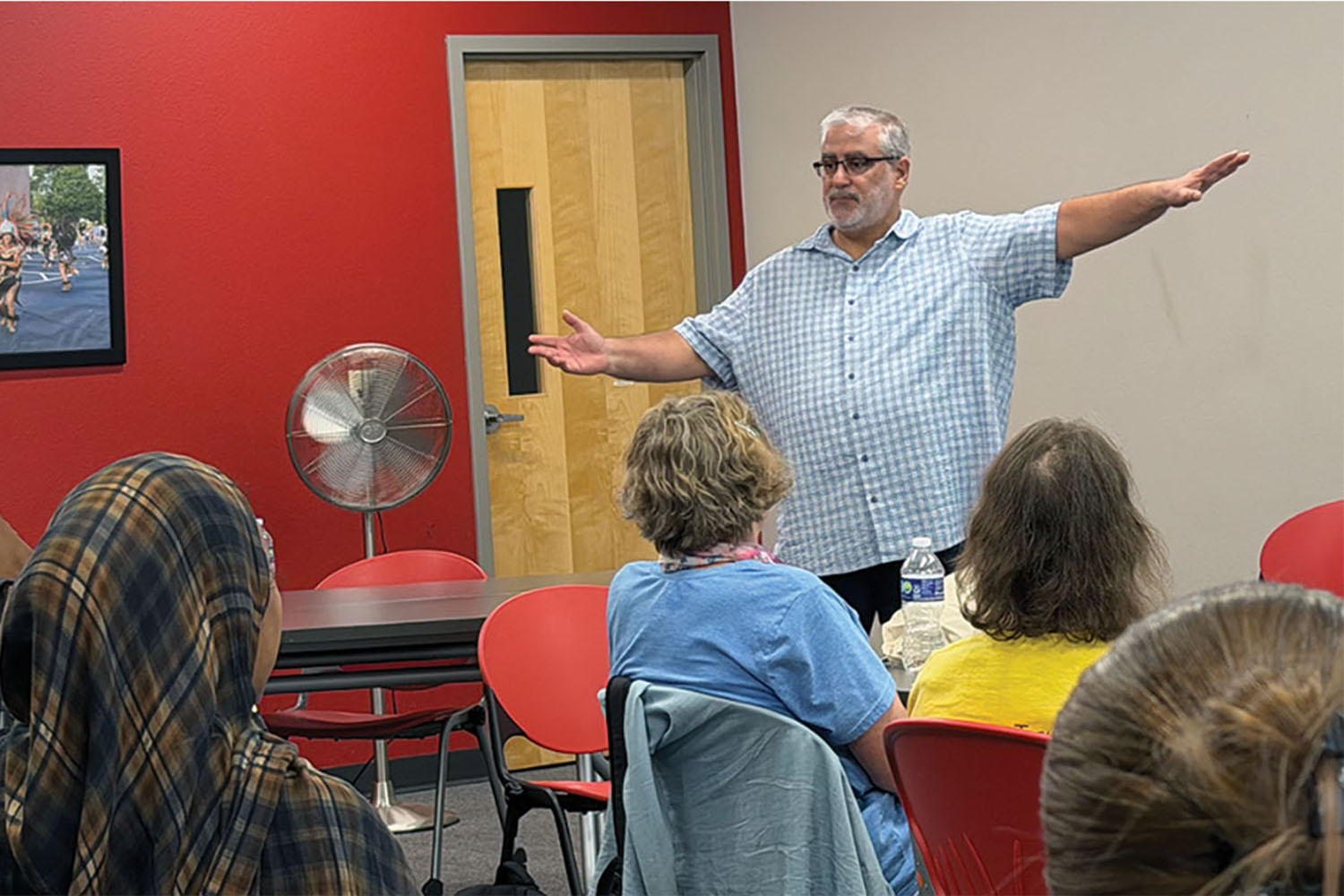
Dr. Rafael Veintimilla, director, University of Wisconsin Clinical Trials Institute, discusses clinical trials and the critical importance of diverse participation.
What is a clinical trial? How do researchers decide who can participate?
The National Institutes of Health (NIH) defines a clinical trial as ‘a research study involving people that tests a treatment, medicine, device or other approach to learn how it affects health and whether it is safe and effective.’
Every clinical trial has rules about who can participate. Researchers must consider things like a person’s age, health condition, medical history, medications and previous treatments. These rules help keep participants safe and ensure the study includes people who can help answer the research question. Being eligible does not mean someone has to participate. Joining a clinical trial is always voluntary.
Why are clinical trials important to the future of health care?
Clinical trials help researchers find safer, more effective ways to prevent, diagnose and treat health conditions. They provide the evidence needed to improve health care and give patients more treatment options in the future.
Why is diverse participation important to clinical trials?
Clinical trials should include people from different backgrounds, ages, health conditions, genders and life experiences so researchers can better understand how a treatment works for everyone.
Are there participation barriers that might contribute to less diversity in a trial? How can trials be more inclusive?
Yes. Common barriers include time and travel, transportation, childcare, work schedules, language differences, lack of awareness, cost and concerns about participating in research.
Trials can be more inclusive by offering flexible enrollment hours, transportation support and study information in different languages. Study teams should also consider reducing unnecessary visits and working with communities to build trust and awareness.
How important are community partnerships and engagement to building trust in health research? What are some steps UW is taking to building community trust?
Research is most effective when community voices, experiences and priorities are respected throughout the process. Strong community relationships can help address historical mistrust and make research more accessible, representative and responsive to the needs of the people it is intended to serve.
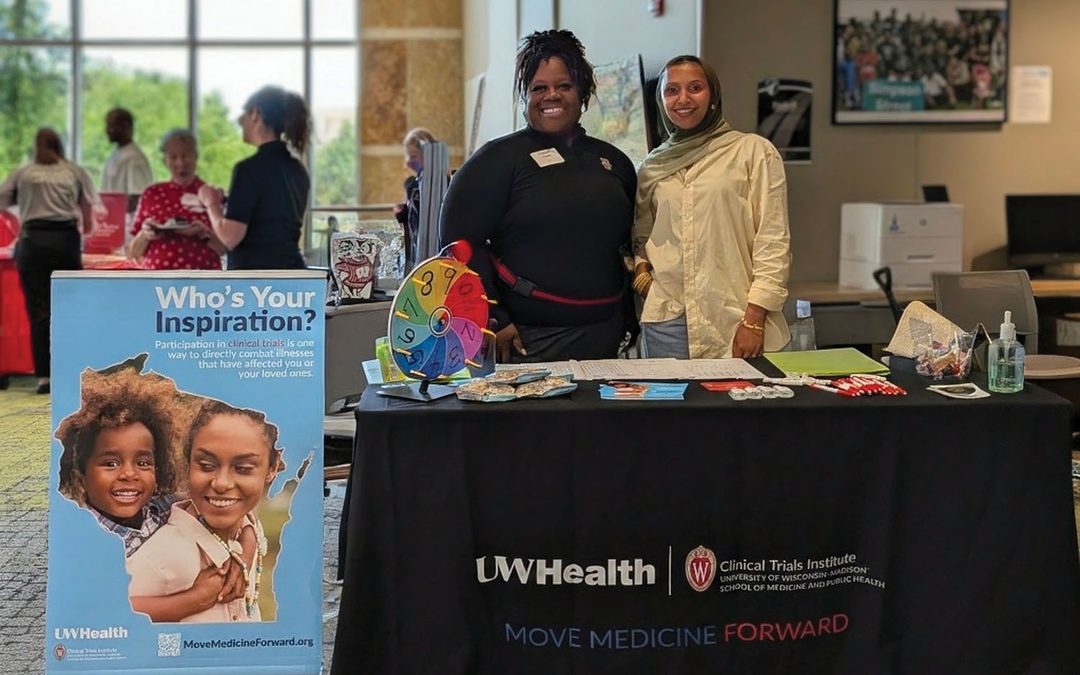
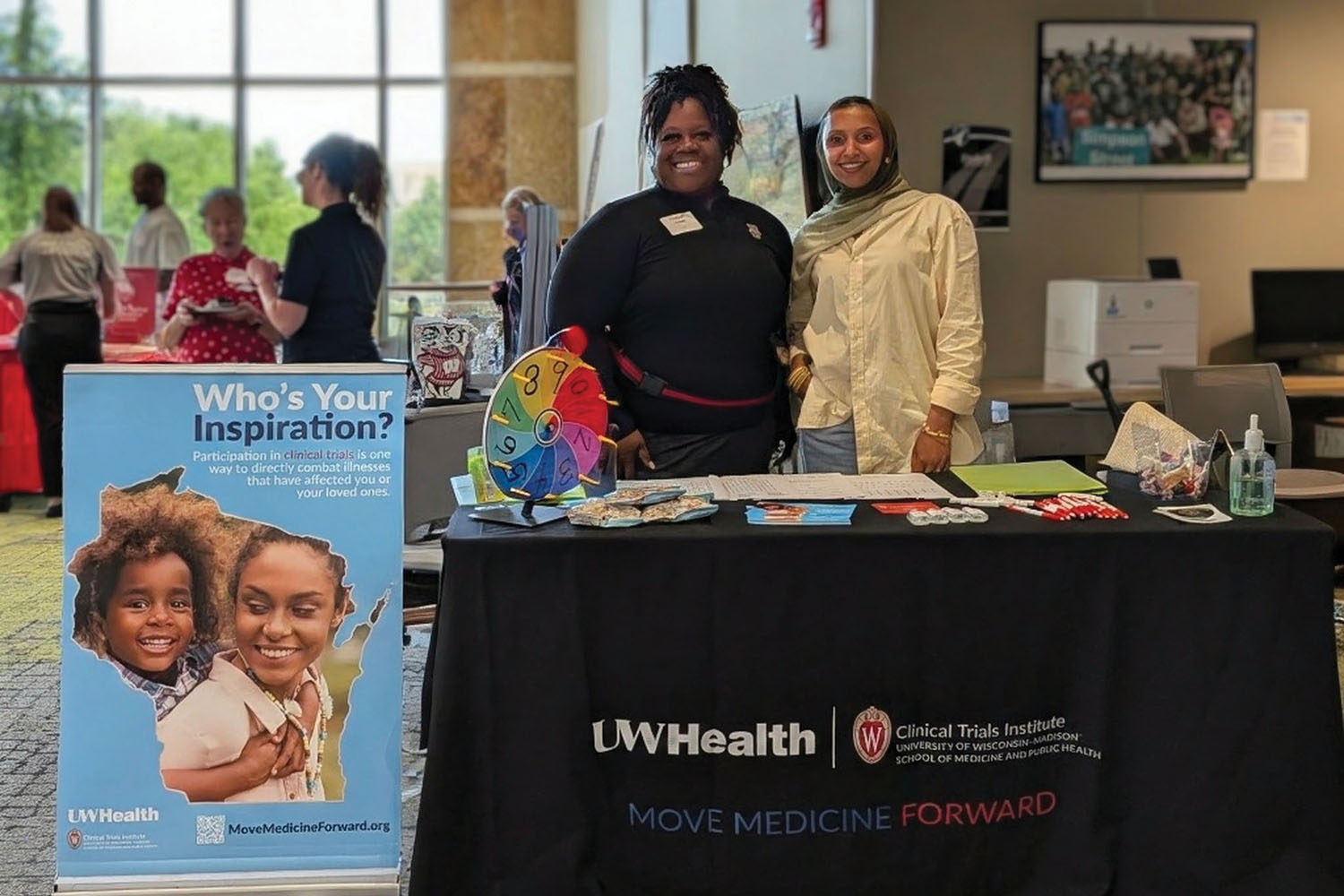
Several efforts are underway at UW to help build community trust. UW partners with UW Health to engage with community members outside of traditional research settings. Participating in community-focused events provides opportunities for researchers to listen, answer questions, share information and build relationships.
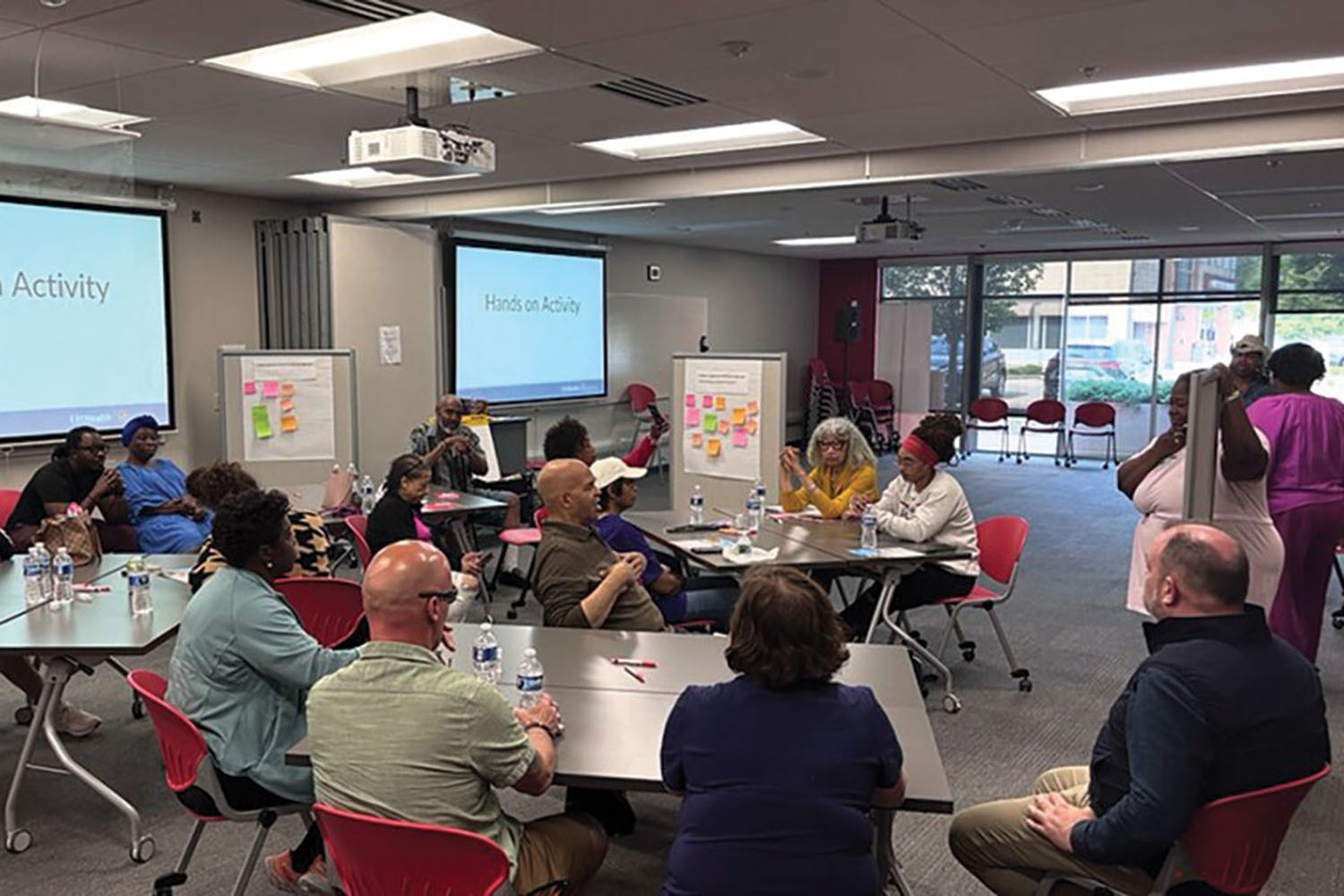
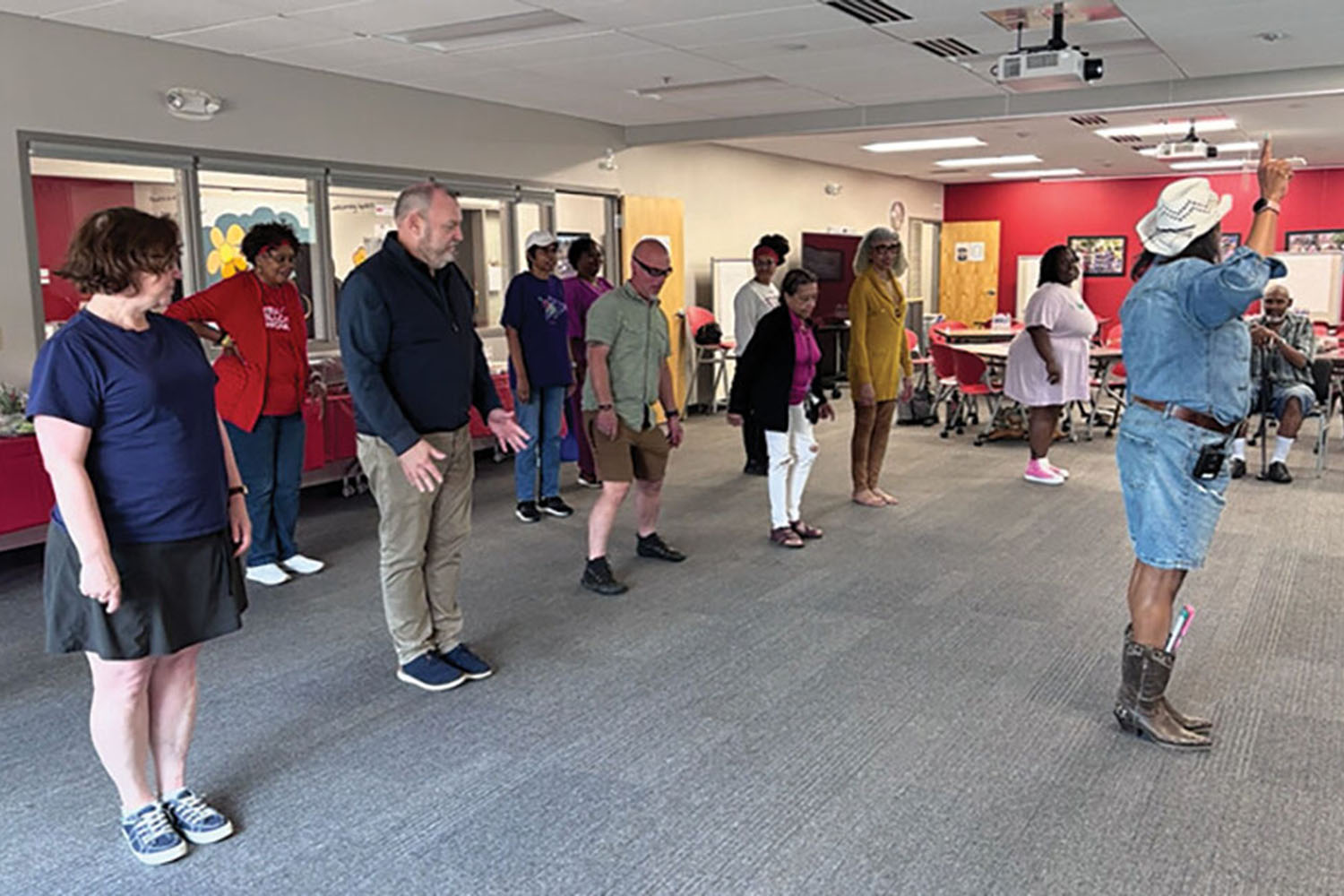
Direct partnerships with community organizations are also beneficial. For example, our “Chat, Chew & Cha Cha” series with the UW South Madison Partnership is a space where community members connect with UW representatives, ask questions and discuss health and research topics. Partnerships like these allow UW to meet people where they are and create opportunities for the community to help shape conversations and priorities around research. The goal is to build relationships in which community members are genuine partners in the research process.
There are historical reasons (e.g., Tuskegee) why some communities have been hesitant to participate in research. How has the clinical research industry addressed these failures?
Historical mistrust of medical research is rooted in real experiences of harm and mistreatment, so rebuilding trust requires increased protections for research participants and ongoing transparency, respect and accountability.
What are some common misconceptions about participating in a clinical trial? How can these be addressed?
Some people think clinical trial participants are “guinea pigs,” trials are always dangerous or they are only a last resort option. Others may think clinical trials are not meant for people like them. UW research teams address these concerns by clearly explaining what to expect, how participants are protected and possible risks and benefits. Simple language, honest answers and sharing participant perspectives also help people feel more comfortable.
What is “informed consent”? How do researchers ensure participants are fully aware of what they are agreeing to?
The informed consent process involves making sure people understand what they are signing up for. The research team explains the study and possible risks and benefits. Participants can ask questions and take time to decide. This is an ongoing process, so the research team continues to keep participants informed throughout the study. Participants do not have to participate, and they can leave the study at any time.
What would you say to someone who is hesitant to participate in a clinical trial?
I would say ask questions, take your time, and talk with your doctor and loved ones. You should never feel pressured to participate. If you still feel unsure after getting all the information, it is okay to choose not to participate. This is an important decision, and you should feel confident in your choice.
What does today’s research participant make possible for tomorrow’s patient?
Research participants help doctors and researchers learn what treatments work, what do not work and how to make treatments safer. In simple terms, what someone does in a clinical trial today helps give future patients better and more treatment options.
To learn more about clinical trials at UW–Madison, visit UWClinicalTrials.org.