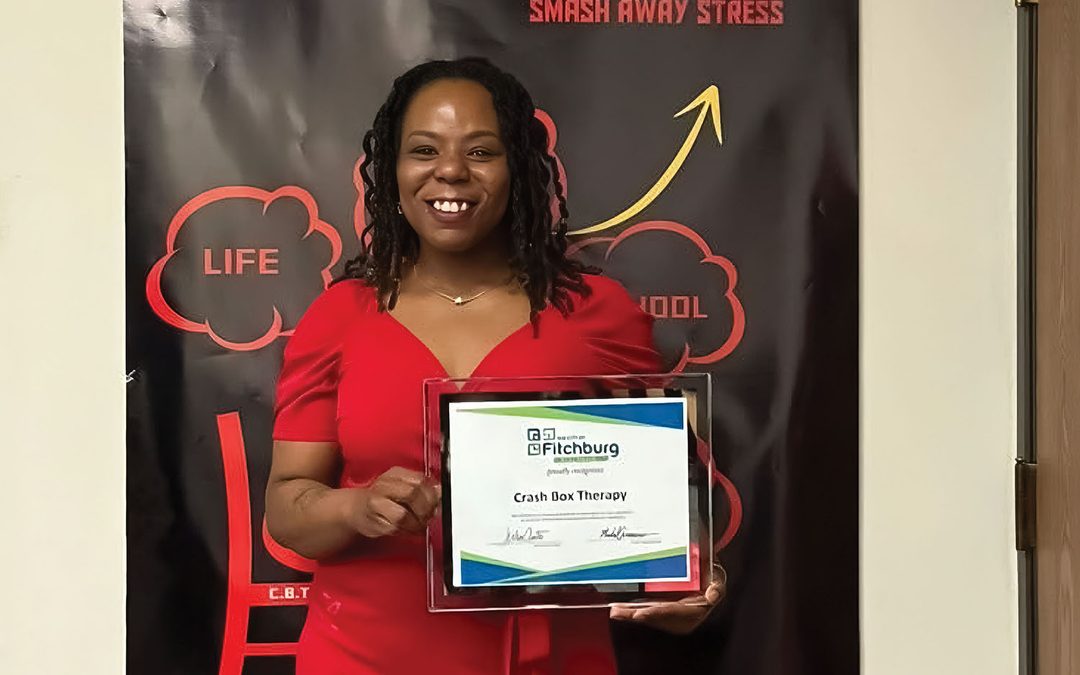
Sarah Branch’s CrashBoxTherapy transforms physical relief into a powerful tool for emotional healing.
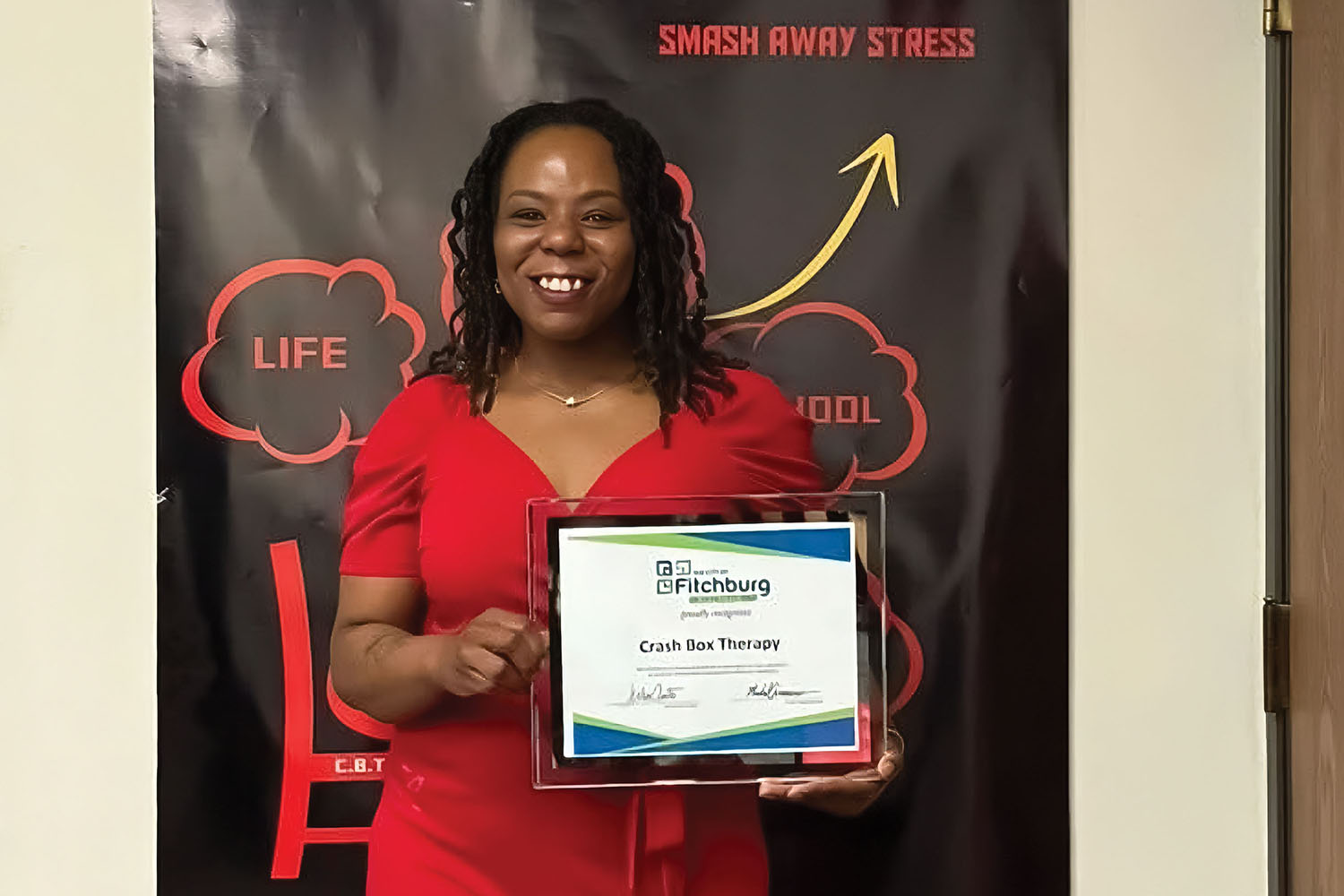
If you’ve ever heard of a rage room, you might assume it’s just about breaking things for a fun weekend outing. But Sarah Branch, founder of CrashBoxTherapy in Madison, Wisconsin, shows through her work why it is so much more.
Branch, a human services graduate and survivor of domestic abuse, suicide attempt, and a bipolar II diagnosis, channels her personal journey directly into her work. “I want to be a witness that it doesn’t matter what you experience, you can heal and live a life worth living,” she explains.
After founding Earthly Temptation Wellness in 2020 to offer holistic self-care, Branch recognized that community members needed an outlet for deeper, physical tension. The turning point came when a client famously told her:
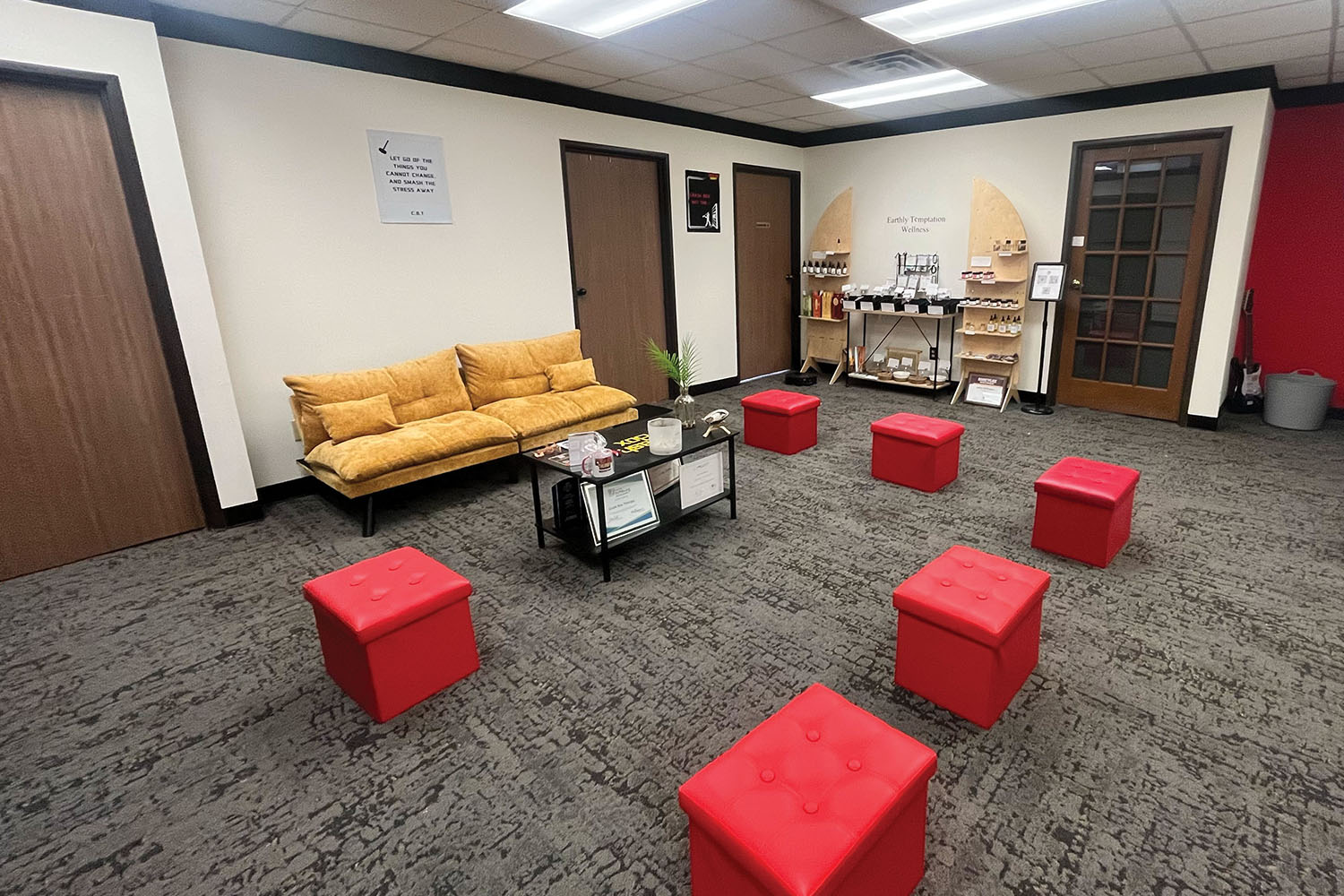
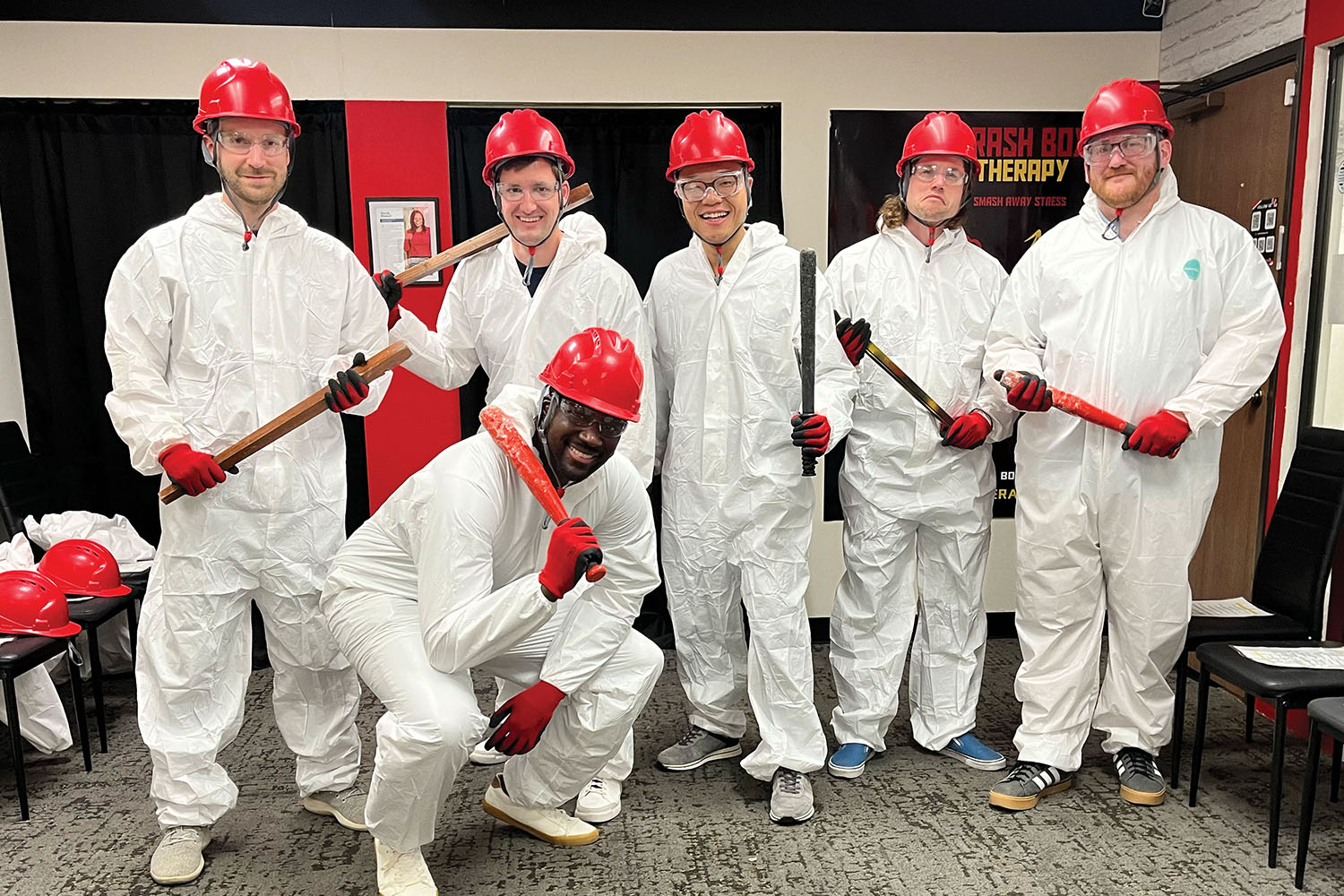
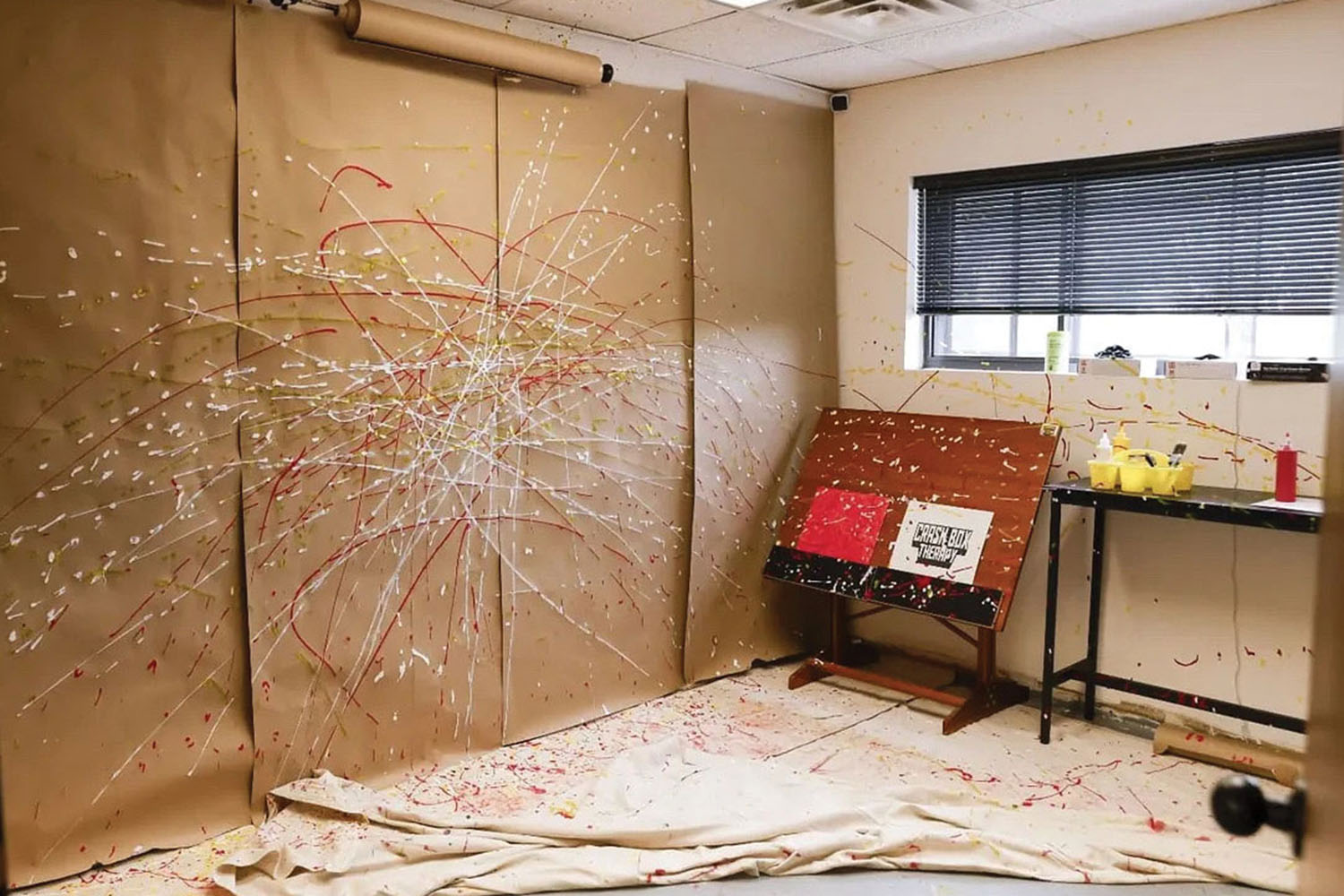
“Meditation is great, but we need a space to go break stuff.”
Realizing her community lacked an intentional outlet for high-intensity emotional relief, Branch opened CrashBoxTherapy.
Branch explicitly distinguishes CrashBoxTherapy from a standard “rage room.” Instead, it is an intentional therapeutic space designed for emotional processing. Serving 30 to 50 clients a week, roughly 60% of whom are women, the business provides a refuge for both people navigating severe life challenges, and others who just need a break. From cancer battles, grieving of a lost child, or work stress, CrashBoxTherapy is committed to serving all.
With many clients saying: “I didn’t know I really needed that” and “this is something I feel like everyone should do on a regular basis.”
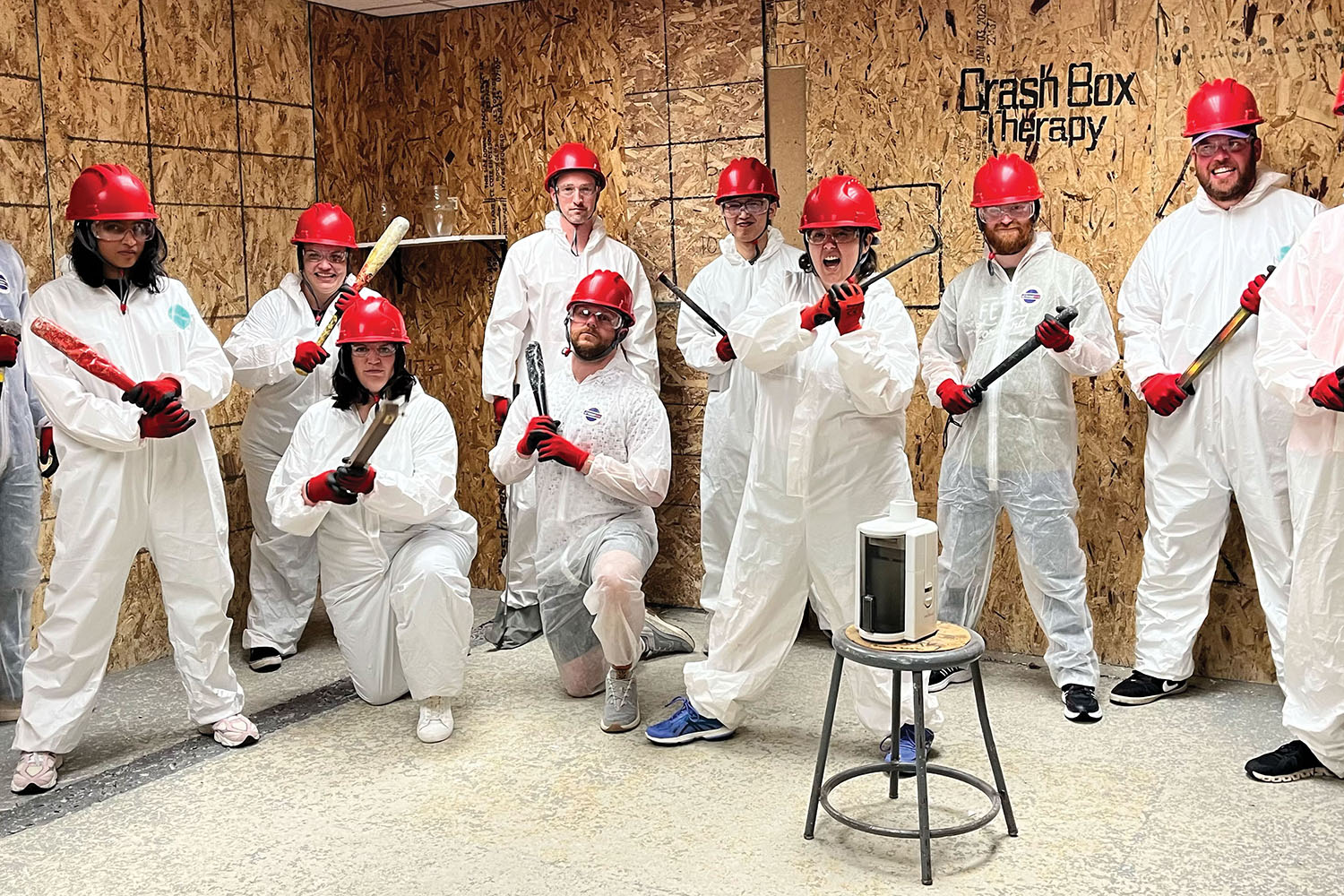
To ensure relief is paired with recovery, Branch created signature offerings like “Smash and Soften,” combining physical smashing with guided journaling, sound bath meditation, and herbal tea. Featured on Fox47 News and sustained heavily by word-of-mouth, CrashBoxTherapy is now expanding into local youth organizations and corporate burnout workshops.
By framing physical destruction as a gateway to healing, Branch has built a business that gives her community, and herself, a safe place to relieve. As Branch puts it, creating this space gave her “a reason to live” by ensuring others don’t have to carry their emotional burdens alone.