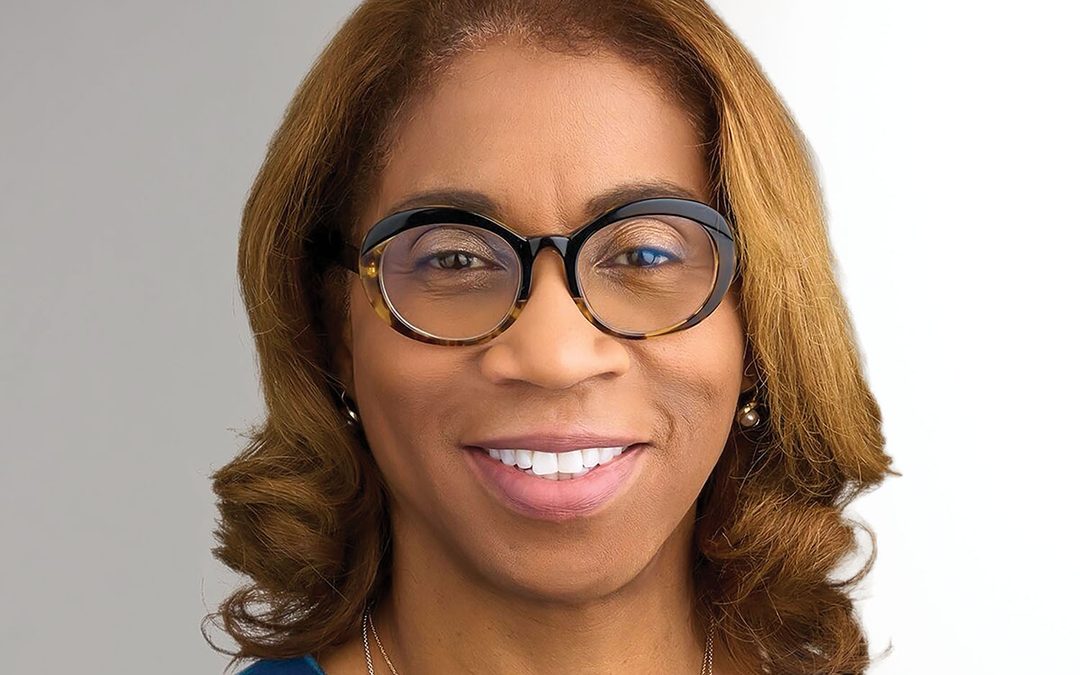
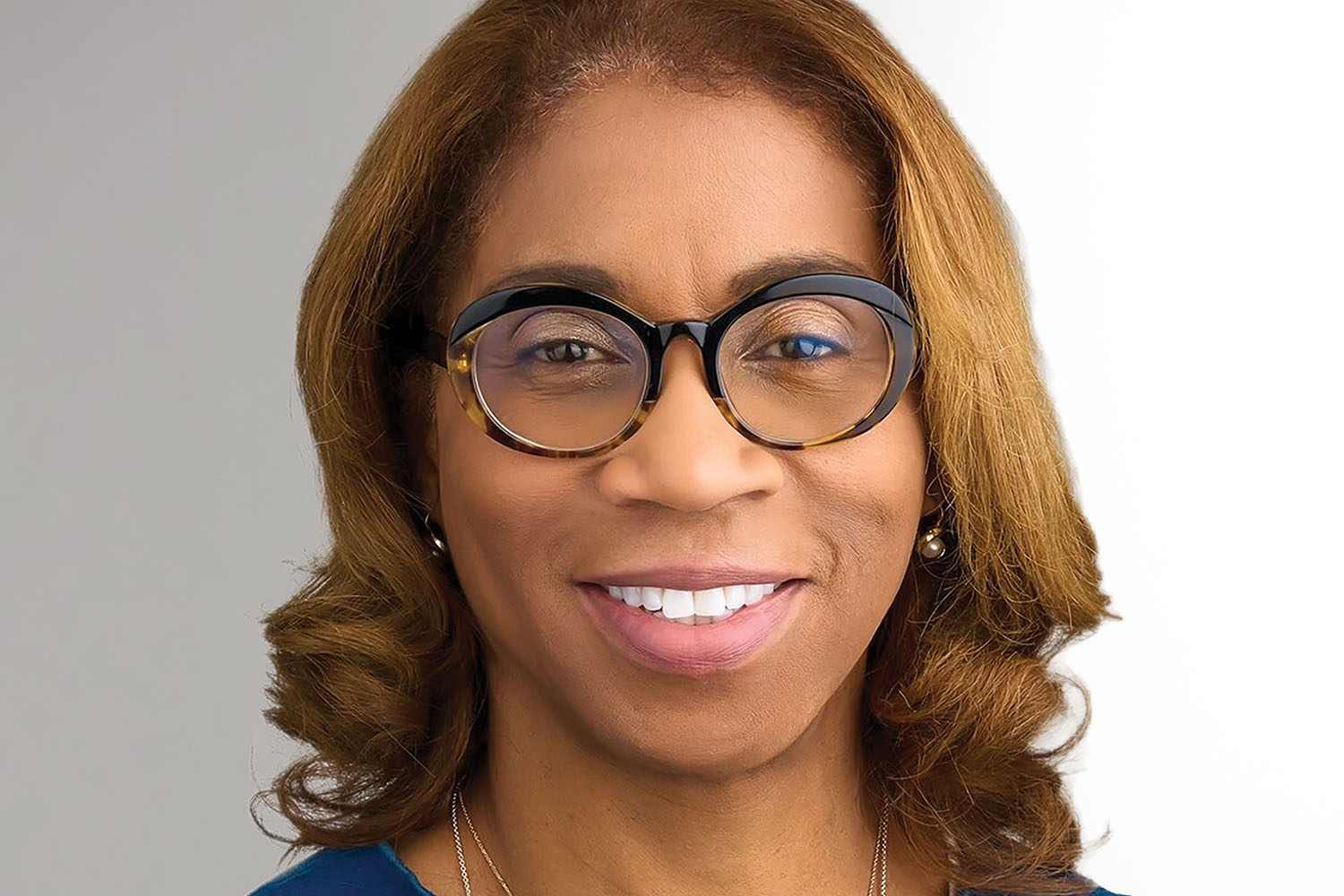
Dr. Terri L. Young is a gene-hunter, military brat, inclusive leader, and dedicated mentor who has created an impressive footprint in the field of ophthalmology- the medical and surgical practice of eye and vision care. With a keen eye towards building support programs at every level of academic medicine, Dr. Young is impacting eye and vision care for generations to come.
After completing an undergraduate degree in biochemistry and sociology from Bowdoin College, Dr. Young graduated from Harvard University with her Doctorate in Medicine. Dr. Young discovered the specialty field of ophthalmology during the tail end of her medical school training, and became completely smitten with the eye and its complexities. She fell in love with the combination of working with motivated patients, gadgets, pathology, surgery, and imaging. As this occurred in the mid-1980s, the field was male-saturated, with familial connections being the most common entry point into the specialty. She recalls scrambling in a short few months to gain more ophthalmology programmatic exposure to become competitive for an ophthalmology residency training slot, and hasn’t looked back. Her love for the specialty comes from knowing “you can do a lot of good in a short period of time.”
Indeed, her own tenure at University of Wisconsin- Madison (UW) is proof. Celebrating 12 years as the tenured Peter A. Duehr Professor and Chair of the Department of Ophthalmology and Visual Sciences (DOVS) within the UW School of Medicine and Public Health, Dr. Young has successfully led the department in serving patients, learners, and community members, while growing academic ophthalmic education and research. In all realms, the department has used its mission-directed people-first culture to move the field forward.
Under Dr. Young’s leadership, DOVS has expanded its community outreach to improve eye care and vision services access. In collaboration with UW Health, Combat Blindness International and Project Access, DOVS supports free bi-monthly eye clinics for community members who are uninsured or under insured. Their larger, annual DOVS World Sight Day Right to Sight Clinic each October provides eye care services and glasses to participants. This project allows DOVS providers, staff, fellows, and residents to meet people where they are. Another departmental community project held in partnership with school nurses performs vision screenings for Madison Metropolitan School District schoolkids to promote eye safety. This outreach experience teaches volunteer medical students about vision care while inspiring grade-school students to see themselves in medicine and/or the healthcare field. Dr. Young is always mindful about ways to connect generations to strengthen the field.
Beyond service delivery programs, DOVS also supports local community mini-medical school presentations via Saving Sight Sessions, which Dr. Young initiated. These community building and educational opportunities inform the lay public about important issues related to sight, such as diabetic retinopathy, cataracts, glaucoma, as examples.
Cross-Cultural Learning
Growing up as a self-identified military brat, Dr. Young developed a deep understanding for the benefits of cross-cultural connection through multiple global experiences. Her father was stationed in Athens, Greece in the Air Force when she started grade school. Her global citizen sensibility was born out of living off base and playing (and speaking Greek!) with the neighborhood kids during her formative years. As a young adult, a 6-week stint during ophthalmology training residency brought her to India for a new experience serving a “Robin Hood” model where the monetary margins from paying patients supported a free eye care hospital in Madurai. Later in her career as an inaugural faculty member, she helped develop the Duke-National University of Singapore Graduate Medical School, also serving on the advisory board of the Singapore Eye Research Institute.
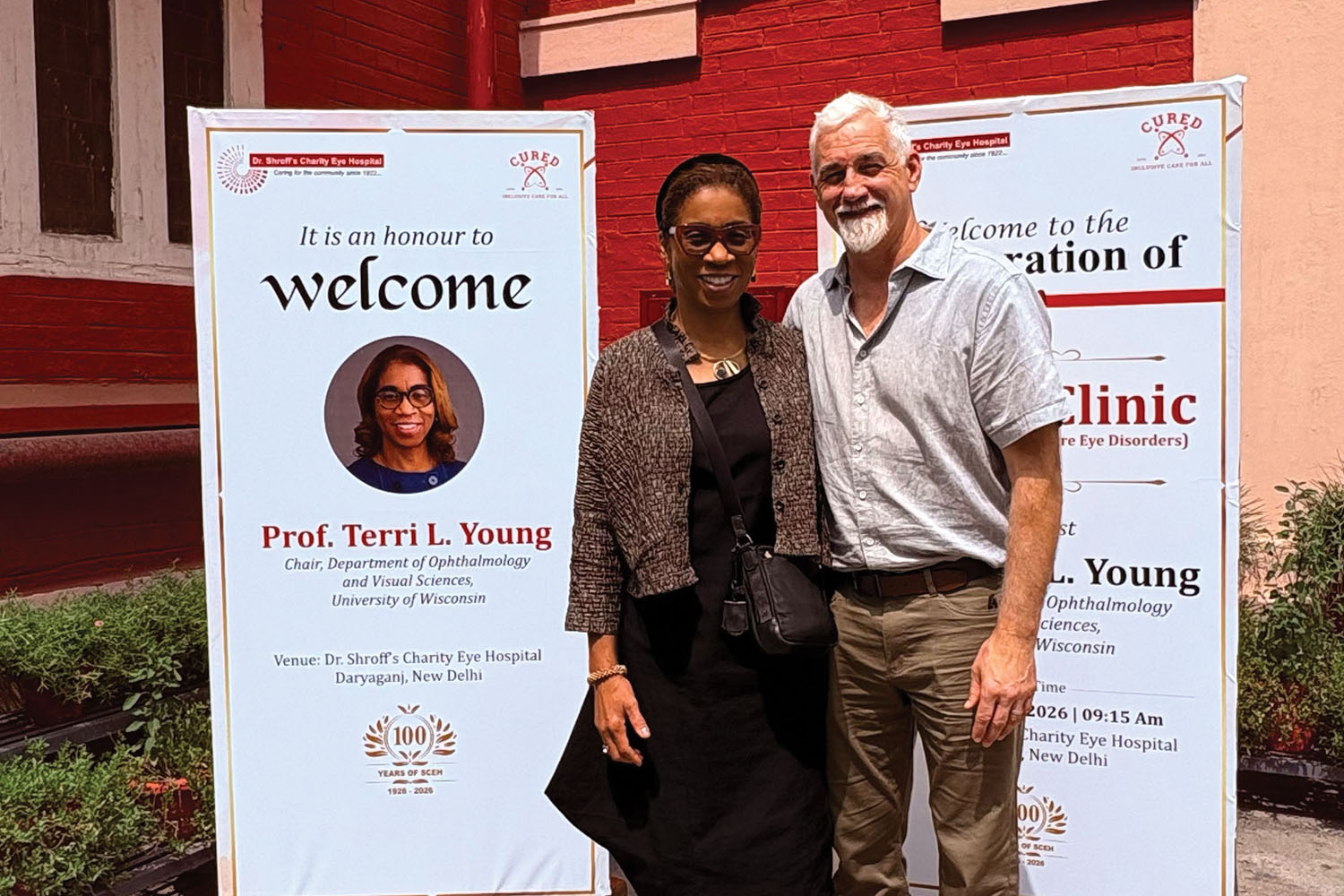
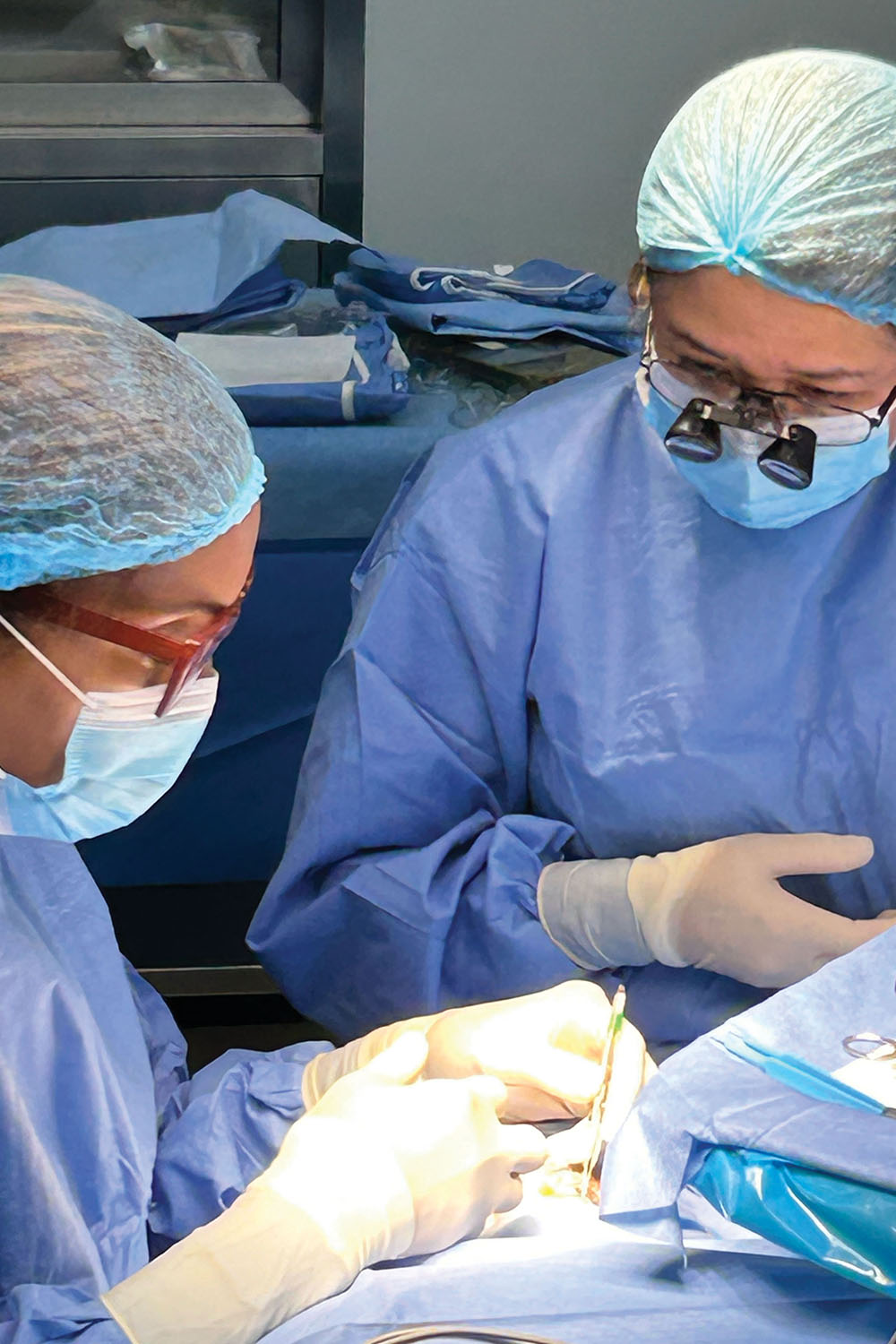
Drawing on her deep understanding of cross-cultural learning, Dr. Young has enthusiastically supported the growth of an international partnership between DOVS and Shroff’s Charity Eye Hospital in India. What started 11 years ago as a clinical visiting program for DOVS faculty and residents to travel to Old Delhi and perform cataract surgeries, has now grown into a full, bi-directional exchange program. Shared learning through patient care, rich educational lectures, and research collaborations have enabled more ophthalmologists and vision scientists to do more good in a short period of time.
Opening Doors and Inspiring Others
When Dr. Young began her tenure as chair of UW DOVS, she prioritized bringing an empathetic lens in her leadership position. She desired “not just for the learners and faculty members, but the staff and administration to feel valued. I wanted them to know that they have a voice, and their contributions are necessary and needed.” She also instills the importance of uplifting others and not working in a vacuum.
Dr. Young credits Bob Golden, former Dean of the UW School of Medicine and Public Health, for intentionally working towards greater diversity in leadership by increasing the number of female department chairs. This formidable peer group surrounds her with a great community of empathetic leaders who understand the meaning of being at the table. In her own department, Dr. Young has worked to increase equitable pay for women at the same stages in their careers as their male counterparts. The shocking lack of racial diversity in these spaces and in the field has inspired her to grow opportunities for others.
As many Black leaders explain, being the only one in the room creates a heavy burden to be a representative of your race and gender. As a woman of color in ophthalmology, Dr. Young transformed this familiar burden into opportunities to bring others along. She opens doors as president of the largest eye and vision research organization in the world, the Association for Research in Vision and Ophthalmology (ARVO). ARVO has a global membership of nearly 11,000 researchers from over 70 countries. She notes “many members are delighted to see a Black woman in that position, nationally and internationally.” She says, “people recognize how hard it is to be included or accepted in research and academic spaces.” She is proud of the opportunity. In an upcoming annual meeting she has invited speakers to share their research and knowledge on global burdens of eye disease- such as the growing epidemic of myopia, trachoma eradication which greatly impacts third world countries, and glaucoma, which disproportionally affects people of color, as examples.
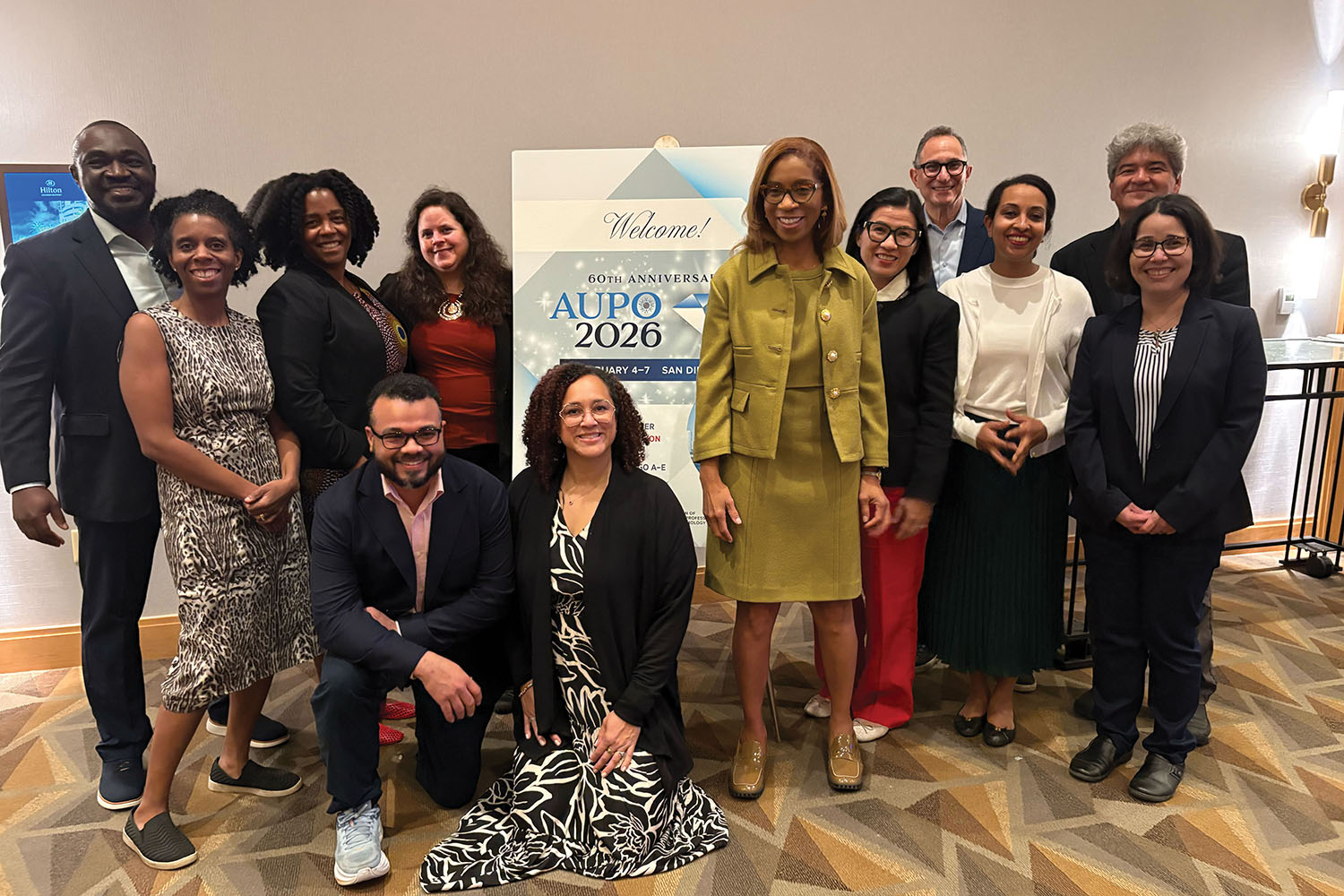
Not only is she uplifting research on diseases that impact communities of color, but Dr. Young also provides vital support for current academic ophthalmologists of color. During her tenure as board member and then president of the Association of University Professors of Ophthalmology, Dr. Young, along with four other colleagues of color, started INTREPID: INvesting, TRaining, Equipping and Promoting Individuals for Distinction in Ophthalmology. INTREPID is a national professional development and leadership coaching program for underrepresented faculty members within academic ophthalmology training programs. This year-long, competitive, cohort program helps faculty get promoted, take on leadership positions, and stay in academic medicine. Each year a cohort of 6 engage in counseling and personal coaching, cultural resilience training, along with exposure to vital professional associations. They take part in programming with the ophthalmology section during National Medical Association conferences to share experiences amongst other ophthalmologists of color. From their work with INTREPID, Dr. Young has witnessed direct impact on faculty of color retention and job promotion nationally in academic ophthalmology.
In October, she is starting an Ophthalmology Chair Preparation and Coaching Initiative (a pre-department chair preparatory bootcamp) within the American Academy of Ophthalmology for under-represented in medicine faculty in ophthalmology who desire to become department chairs. You can hear the passion and joy she gets from the small and the large opportunities to help others. Whether she is talking one-on-one with residents and young faculty members or creating national pipeline programs, Dr. Young is making her mark with empathy, humility, and a deep commitment to opening doors. When it comes to mentoring and sponsoring, she says, “There are avenues we must find, develop and protect to embed folks along the pipeline so that we can ultimately have more diverse voices at tables of influence.” Indeed, we are lucky she is leading the way.
Dr. Young lives in Madison with her husband, Kevin Evanco, who directs a special education program for the Madison Metropolitan School District, and their Shorkie puppy, Jacob Lawrence.