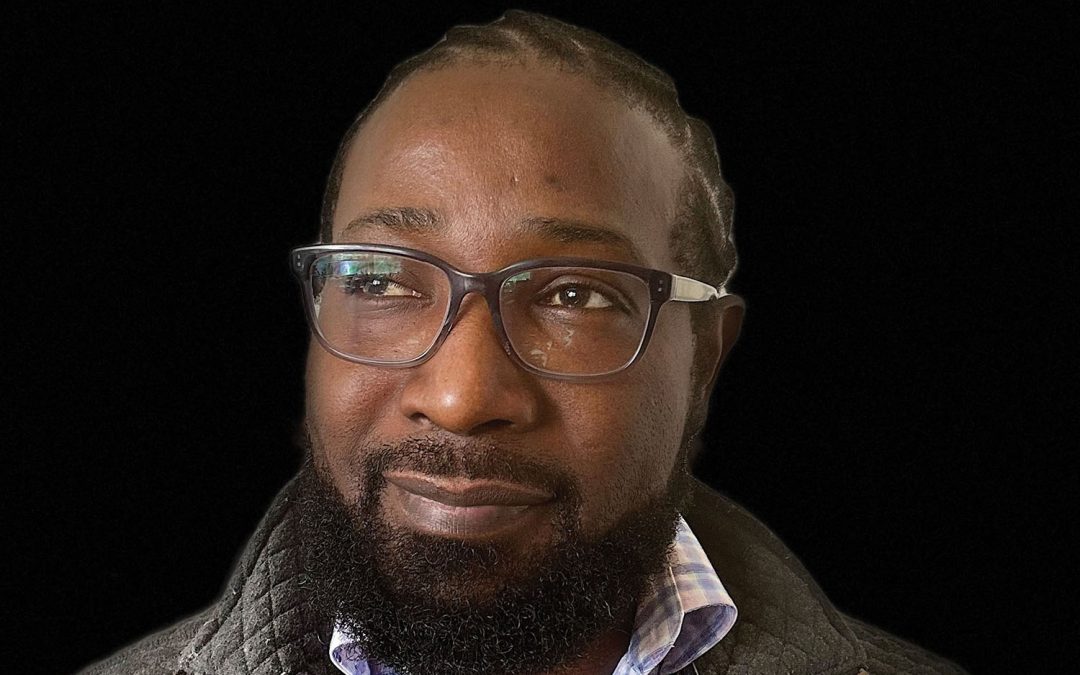
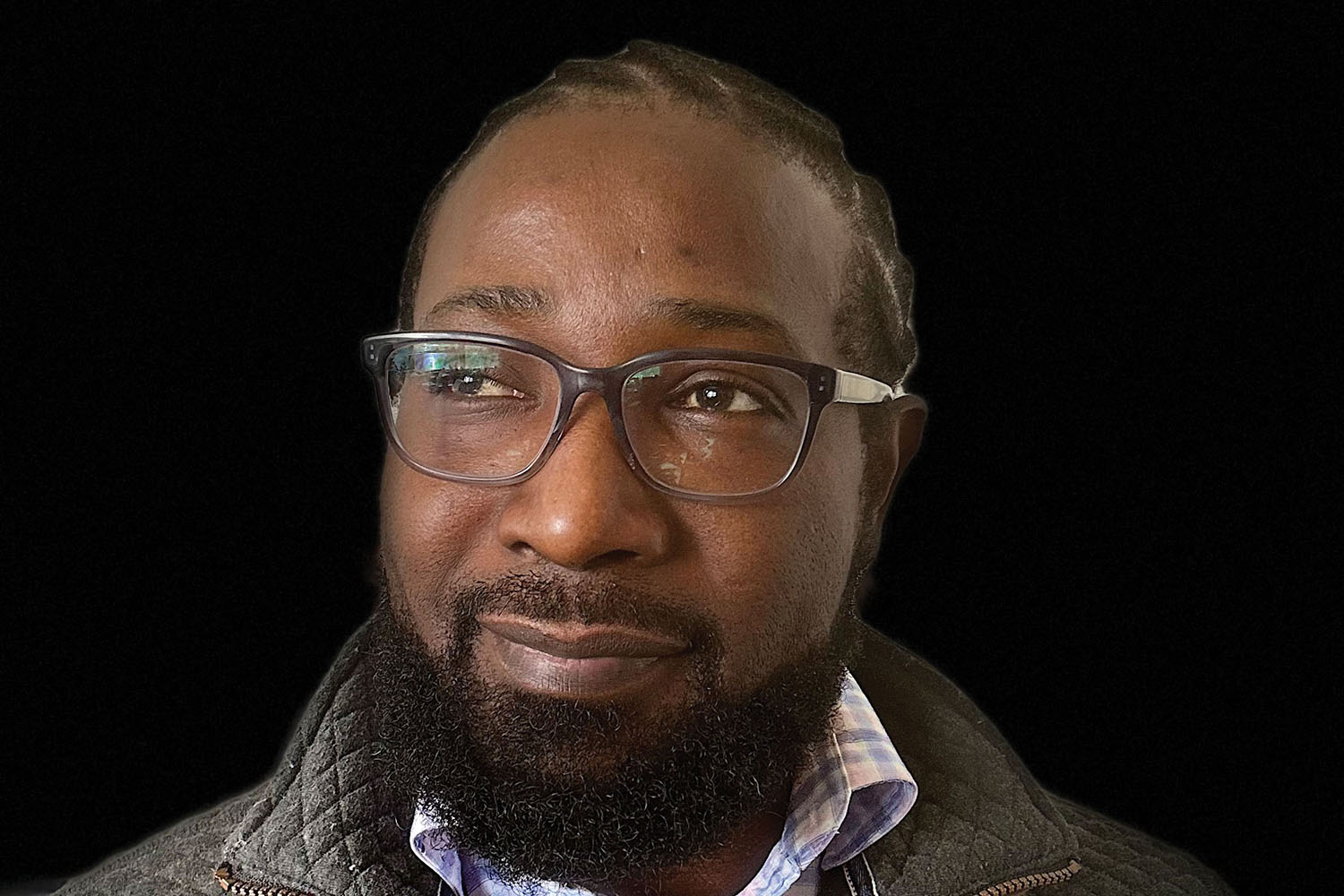
The mental health of Black men is a critical issue that significantly impacts their roles in their communities. Nowhere is this more impactful than in their role as fathers. Yet Black men are often valued more for how they perform their various familial and social roles, than for their basic humanity. The multifaceted roles that a Black man embodies are intricately influenced by societal norms, the inherent challenges of fatherhood, and the pervasive impact of systemic racism. This complex interplay shapes his experiences and identity, and that of his children.
Unique Challenges Faced by Black Men
The intersection of race and gender in Black men exposes them to unique challenges. Systemic and institutional racism and discrimination often lead to chronic stress, a significant risk factor for mental health disorders. Societal expectations of masculinity further complicate this issue. Black men are more likely than other ethnic groups to oversubscribe to more extreme exhibitions of traditional masculinity. Traditional masculine tenets discourage emotional expression, encourage self-reliance, and thrive on competition. These factors can create barriers to seeking help, resulting in untreated mental health issues, and self-medication (i.e., substance use and abuse).
The Multifaceted Role of Fatherhood
Fatherhood adds another layer of complexity. Fatherhood engages the unspoken social contract of being a provider, protector, and role model. For Black men, societal pressures and expectations, like the prevailing negative stereotypes, can intensify these roles. Additionally, protracted economic and job opportunities are challenges to meeting these roles. Black men in the US continue to face higher rates of unemployment and underemployment. These thwarted attempts for Black fathers to meet their social obligations to their children and families can exacerbate existing mental health issues and create new ones.
Impact on Children
A father’s mental health has direct impact on his children. Children view their fathers as role models for navigating the world, and fathers are often willing to sacrifice themselves for their children’s well-being. However, personal struggles with mental health, especially when unacknowledged, make it challenging for fathers to fulfill this role. Under these conditions children’s mental and emotional development may be undermined since fathers’ mental health can compromise the quality of father-child interaction. However, a father who manages his mental health effectively can model positive coping strategies and resilience.
Resilience and Perseverance
Mental health struggles do not prevent Black men from being effective fathers. Many Black men with mental health issues are dedicated fathers who strive to provide the best for their children. Their experiences with mental health, especially when properly managed, can teach valuable lessons in resilience and perseverance.
Supporting Black Fathers’ Mental Health
Several strategies can support the mental health of Black fathers:
- Culturally Competent Mental Health Services: Providing support tailored to the unique experiences of Black men.
- Community Initiatives: Fostering a sense of belonging and providing a supportive network.
- Encouraging Open Conversations: Destigmatizing mental health issues and encouraging individuals to seek help.
The mental health of Black men is intricately connected to their role as fathers, and thus to the health of Black children and families. Supporting Black men’s mental health therefore creates a ripple effect that benefits families and communities. Healthy thriving men become strong fathers, which contributes to strong families, and strong families are the foundation of thriving communities.